
Cryptocurrency Debit Card Comparison
Table of Contents
How Crypto Debit Cards Differ
Not all cryptocurrency debit cards are the same. The main distinctions come down to three things: how you fund them, whether you need to verify your identity, and how you receive and use the card. Understanding these differences helps you pick the right card for your actual spending patterns instead of being swayed by marketing features you will never use.
EasyCCV falls into the "no KYC virtual card" category — a lean, crypto-funded platform focused on fast card generation and private online spending. This comparison will help you see how that option stacks up against exchange-based cards and traditional prepaid cards so you can make an informed decision.
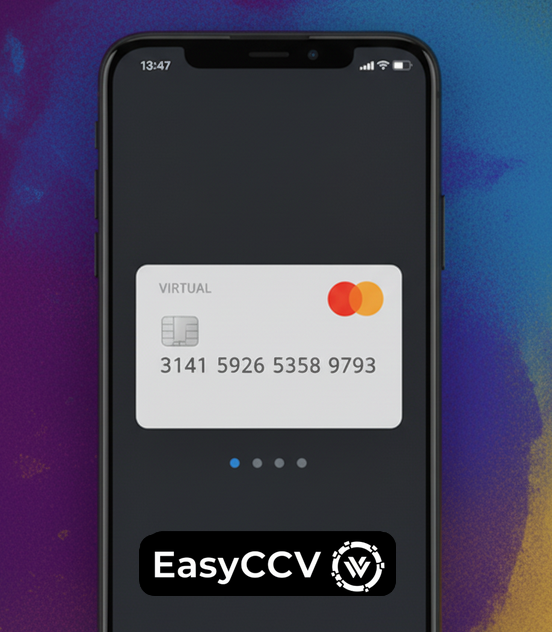
Different crypto card types serve different needs. Pick based on your actual spending, not the marketing.
The Three Main Types of Crypto Cards
1. No KYC Virtual Cards (EasyCCV)
Fund with crypto, generate virtual cards instantly, and spend online. No identity documents, no address verification, no physical card, and no bank account linkage. The card details appear in your dashboard and work for online checkout anywhere standard card payments are accepted. This type is optimized for speed, privacy, and pure digital use.
2. Exchange-Based Crypto Cards (Coinbase, Binance, Crypto.com)
These require full KYC verification (passport, selfie, proof of address) because they are issued by regulated financial institutions. They typically offer both physical and virtual cards, cashback rewards in native tokens, and integration with the exchange's trading platform. Setup takes days due to verification queues, and all transactions are linked to your verified identity.
3. Crypto-Loaded Prepaid Cards (BitPay, Wirex)
These sit between the two extremes. They often require some level of verification but may have lighter requirements than full exchange cards. They are prepaid — you load them before spending — and some offer physical card options. Acceptance can be spotty depending on the issuing region and card network.
Detailed Comparison: No KYC vs Traditional vs Prepaid
Here is how the three types compare across the factors that matter most for everyday online spending.
| Feature | No KYC Virtual (EasyCCV) | Exchange-Based (Coinbase, Binance) | Prepaid (BitPay, Wirex) |
|---|---|---|---|
| Setup Time | ✓ Minutes | ✗ 1-5 days (verification queue) | ~ Hours to 1 day |
| ID Verification | ✓ None required | ✗ Passport, selfie, address proof | ~ Basic info sometimes required |
| Privacy Level | ✓ No identity link | ✗ All transactions tied to identity | ~ Limited data shared |
| Funding Methods | Crypto only (BTC, USDT, ETH, SOL, XMR) | Crypto + bank transfer + PayPal | Crypto + some fiat options |
| Physical Card | ✗ Virtual only | ✓ Physical + virtual | ~ Sometimes available |
| Merchant Acceptance | Any online store with card checkout | Slightly higher due to bank partnerships | Varies by issuing region |
| Rewards & Cashback | ✗ None (privacy is the benefit) | ✓ Platform token rewards | ✗ Rarely offered |
| Card Generation | ✓ Instant, multiple cards | ~ Limited virtual cards | ~ 1-2 cards per account |
| Global Access | ✓ Available worldwide | ✗ Restricted by country | ~ Region-dependent |
| Monthly Fees | ✓ No monthly fees | ~ Some tiers have fees | ✗ Often include maintenance fees |
When Each Type Makes Sense
Choose a No KYC Virtual Card (EasyCCV) when:
You value privacy, speed, and online-only spending. You already hold crypto and want to spend it without linking transactions to your identity. You need multiple cards for different merchants or spending categories. You live in a region where exchange-based cards are not available or you do not want your identity documents stored by yet another platform.
Choose an Exchange-Based Card when:
You want a physical card for in-store purchases. You want cashback rewards in platform tokens. You are comfortable with full KYC verification and do not mind your transactions being linked to your identity. You need bank transfer funding options in addition to crypto deposits.
Choose a Prepaid Crypto Card when:
You want a middle ground between privacy and features. You do not mind some identity checks but want to avoid full exchange verification. You prefer a prepaid model where you load before spending rather than having a direct line to your crypto holdings.
Why a Crypto Debit Card No KYC Works Best for Online Payments
For most users whose spending is primarily online — subscriptions, software, digital services, ecommerce, ad platforms — a no KYC virtual card from EasyCCV is the most practical choice. The speed advantage is significant: you can go from signup to spending in minutes rather than days. The privacy benefit is meaningful for anyone who prefers not to link their crypto activity to their personal identity documents.
The real value of a crypto debit card no kyc is that it focuses on what actually matters for digital spending: fast access to card details, flexible funding through crypto, and the ability to generate multiple cards for different purposes. Everything else — physical cards, token rewards, exchange integrations — is secondary for the typical online spender.
If your goal is to turn crypto into online spending power without unnecessary steps, EasyCCV delivers exactly that. If you need a physical card for in-store purchases or want cashback rewards, an exchange-based card like Coinbase or Crypto.com is the better fit.
Crypto Card Comparison FAQ
What is the main difference between a no KYC crypto card and a traditional crypto card?
The main difference is the onboarding process. No KYC cards like EasyCCV do not require identity documents or address verification — you fund with crypto and generate cards immediately. Traditional exchange-based crypto cards from Coinbase, Binance, or Crypto.com require photo ID, proof of address, and manual verification review that can take days.
Which type of crypto card is best for frequent online purchases?
For frequent online spending where privacy matters, a no KYC virtual card from EasyCCV is ideal. You can generate multiple cards for different merchants, fund each with its own budget, and avoid linking your identity to every transaction. For large-scale business spending with tax documentation needs, an exchange-based card may be more appropriate.